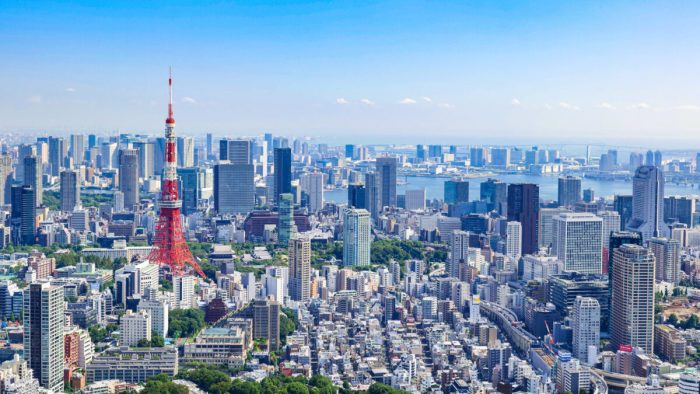
Tokyo is one of the most exciting cities in the world for video production. With its mix of modern skyscrapers, traditional temples, neon-lit streets, and quiet back alleys, the city offers a diverse range of cinematic locations. However, filming in Tokyo also comes with unique challenges, including location permits, local regulations, and language barriers.
Whether you’re an international filmmaker planning a shoot in Japan or a production company looking for bilingual support, here’s what you need to know about filming in Tokyo and how professional English-Japanese translators and production coordinators can help ensure a smooth experience.
Tokyo’s Filming Locations: A City of Contrasts
When choosing a filming location in Tokyo, consider the visual style of your production. The city offers a variety of unique backdrops:
- Shibuya & Shinjuku – Bustling streets, neon lights, and urban energy (perfect for cyberpunk aesthetics or dynamic city shots).
- Ginza & Marunouchi – High-end shopping districts and modern skyscrapers (great for corporate and luxury brand content).
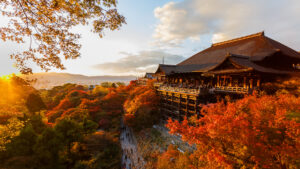
- Asakusa & Ueno – Historic streets, temples, and traditional settings (ideal for cultural and period dramas).
- Harajuku & Akihabara – Trendy fashion and otaku culture (suited for youth-oriented and pop culture content).
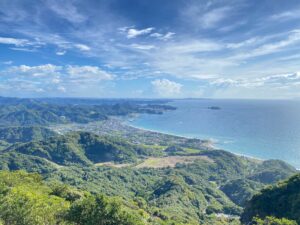
- Tama & Hachioji – Natural landscapes and quiet suburban streets (useful for dramas and nature-centric storytelling).
Tip: Tokyo is highly regulated when it comes to filming in public spaces. Depending on your location, you may need special permits or cooperation from local authorities.
Key Considerations for Filming in Tokyo
1. Permits & Clearances
Unlike some cities where guerrilla filmmaking is common, Tokyo requires proper location permits for most public and private filming.
- Public Spaces: Shooting on streets, parks, or landmarks often requires approval from local ward offices or city officials.
- Private Locations: Businesses, shopping malls, and stations require direct negotiation with property owners.
- Drone Filming: Strictly regulated, especially near government buildings, airports, and densely populated areas.
A bilingual production coordinator can handle the permit process, ensuring compliance with local laws while securing the best locations for your shoot.
2. Language & Cultural Barriers
Even if your production team is experienced, navigating Tokyo without Japanese fluency can slow down the process. Hiring an English-Japanese translator with video production expertise can help with:
- On-set interpretation between Japanese crew members and international teams.
- Translating scripts, call sheets, and production documents.
- Negotiating with local authorities, vendors, and talent.
Having a translator who understands both the linguistic and cultural nuances of Japan is essential for a seamless production.
3. Hiring Local Crew & Equipment Rentals
Tokyo is home to world-class cinematographers, lighting experts, and production designers. If you need additional crew, a bilingual coordinator can help with:
✅ Hiring local gaffers, sound operators, and PAs who know Tokyo’s filming rules.
✅ Securing camera, lighting, and grip equipment from reputable rental houses.
✅ Booking studio spaces or green screen facilities when needed.
With 13 years of experience in the industry, we help match international productions with the best local talent and resources.
How We Support International Productions in Tokyo
We provide end-to-end production support, from bilingual translation services to full-scale production coordination. Whether you need an on-set interpreter, assistance with permits, or logistical support, we ensure your Tokyo shoot runs smoothly.
🔹 English-Japanese translation & on-set interpretation
🔹 Location scouting & permit applications
🔹 Crew coordination & equipment rental support
🔹 Logistical support, including accommodations & transportation
Conclusion
Filming in Tokyo offers endless creative possibilities, but it requires careful planning, local expertise, and bilingual support to navigate its unique challenges. Whether you’re an independent filmmaker, a corporate video team, or a Hollywood production, having the right local partners makes all the difference.